
What to Do After a Car Accident in Florida: A Step-by-Step Guide from an Accident Chiropractor
Serving injured drivers across South and Central Florida, from Miami to Orlando, for more than 22 years.

If you've just been in a crash, you're probably running on adrenaline, a little shaken, and not sure what you're supposed to do next. I've sat with thousands of patients in exactly that spot. So here is a clear, honest walkthrough of what to do after a car accident in Florida: the steps that protect your health, the deadlines that quietly decide whether your insurance pays your medical bills, and the injuries that tend to show up a day or two later, long after you told the officer you felt fine.
I'm Dr. Gady Abramson, and I founded Back To Mind Injury Center. Everything below is what I'd tell you if you were sitting across from me at your first visit.
Back To Mind Injury Center: Florida Auto Accident Care
- ✔ Florida PIP (No-Fault) accepted
- ✔ $0 out-of-pocket for eligible PIP patients
- ✔ Letters of Protection accepted
- ✔ Direct billing to your auto insurer
- ✔ Free injury evaluation
- ✔ Free initial exam
- ✔ Same-day & emergency appointments
- ✔ Free door-to-door transportation
- ✔ 9 offices across South & Central Florida
- ✔ Experienced accident chiropractors
Step 1: What to do at the scene in the first 30 minutes
The moments right after a collision set up everything that follows: your safety, the police report, your insurance claim, and the medical record that connects your injuries to the crash. Take these steps in order.
- Stop and stay put. Never drive away from a crash you were part of, even a minor one. Leaving the scene can turn a fender-bender into a criminal matter.
- Check for injuries, yours and everyone else's. If anyone is hurt or unresponsive, call 911 immediately. Don't move someone with possible neck or back injuries unless they're in danger from fire or traffic.
- Get to safety if you can. If the vehicles are drivable and it's safe, move them out of active lanes. Turn on your hazard lights. On a highway like I-95, I-4, or Florida's Turnpike, staying in a live lane is often more dangerous than the crash itself.
- Call the police. In Florida you're legally required to notify law enforcement any time a crash involves injury or death, and any time property damage crosses the state's reporting threshold under Florida's crash-reporting statute (§316.065). (That property-damage threshold is $500 through September 30, 2026, and rises to $2,000 on October 1, 2026, but injuries always require a report, no matter the dollar amount.) Even when a call isn't strictly required, I tell patients to make one anyway. An official report is one of the strongest pieces of documentation you can have.
- Exchange information, calmly. Get the other driver's name, phone number, address, driver's license number, license plate, and insurance company and policy number. Be polite, but don't apologize or say "I'm fine." More on why that matters in a moment.
- Document everything while it's fresh. Photograph all vehicles, the damage, the position of the cars, the intersection or road, traffic signals, skid marks, and any visible injuries. If there are witnesses, get their names and numbers before they leave.
- Watch what you say. Adrenaline hides pain. If you tell the officer or the other driver that you feel fine, and then wake up the next morning barely able to turn your head, that early "I'm fine" can be used to argue your injuries weren't real. If you feel any discomfort at all, say so, both to the officer and, soon after, to a medical provider.
One thing I see constantly: patients who felt completely normal at the scene and assumed that meant they were uninjured. A patient came to me a few years ago after being rear-ended at a stoplight. She declined care that day because nothing hurt. Two mornings later she couldn't check her blind spot without sharp pain. Her exam showed restricted neck motion and muscle guarding, classic whiplash findings that simply hadn't surfaced yet. Feeling okay at the scene tells you very little about what's happening in the deeper tissues.
If you've been in a crash today and everyone is safe, the next priority is a medical evaluation, even if you feel fine. Call (954) 919-2555 and we'll explain your options.
Step 2: In the hours and days after: report, understand your coverage, and get checked
Once you're home and the immediate chaos settles, a few things need your attention within the first day or two.
- Report the crash to your own insurance company. In Florida you file first with your own insurer, not the other driver's. That's how the no-fault system works (explained below). Report promptly; waiting can give an adjuster a reason to question the claim.
- File a self-report if police didn't come. If no officer investigated at the scene, Florida law gives you 10 days to file a Driver Report of a Traffic Crash with the FLHSMV. This creates the official record you'll want later.
- Look at your full policy. Beyond PIP, you may have Medical Payments (MedPay), collision coverage for your vehicle, and (importantly in a state with a high number of uninsured drivers) Uninsured/Underinsured Motorist coverage.
- Get a medical evaluation, even if you feel okay. This is the step people skip, and it's the one that costs them the most. Here's why it's so important in Florida specifically.
Why acting quickly matters in Florida: the 14-day rule
Florida is a no-fault state, which means that after most crashes you turn to your own Personal Injury Protection (PIP) coverage first, regardless of who caused the accident. Nearly every vehicle registered in Florida is required to carry at least $10,000 in PIP.
There's a catch built into the law that traps thousands of people every year. Under Florida's PIP statute (§ 627.736), you must receive initial medical care within 14 days of the accident to remain eligible for any PIP medical benefits. Miss that window, and your insurer can deny your medical coverage entirely, even for a legitimate, well-documented injury, and even if the crash was completely the other driver's fault.
A few details worth understanding:
- PIP generally pays 80% of reasonable and necessary medical expenses and 60% of lost wages, up to the $10,000 limit. There's also a $5,000 death benefit.
- To access the full $10,000, a qualified provider must determine you have an emergency medical condition (EMC). Without that determination, your PIP medical benefits are capped at $2,500.
- PIP does not pay for pain and suffering or for the damage to your car. Those fall under other coverages or a claim against the at-fault driver.
I want to be clear about something, because there's been a lot of confusion online: despite repeated headlines, Florida's no-fault PIP system and the 14-day rule remain in effect. Several proposed repeal bills have failed, and no repeal has taken effect. Until that actually changes, the 14-day clock is real and unforgiving. If you take one thing from this page, let it be this: see a qualified provider within two weeks, even if you think you're fine.
One of the most frustrating conversations I have is with a patient who "wanted to wait and see" how their neck or back felt, and by the time the pain became undeniable, their 14 days were gone. An early evaluation protects two things at once: your health and your coverage.
The injuries I see most after Florida car accidents
Car crashes injure the body in a specific way: sudden, violent force that the muscles, ligaments, and joints never had time to brace against. That's why so many accident injuries don't announce themselves right away. Here are the ones I evaluate most often.
Whiplash and neck injuries.
Whiplash happens when the head is thrown forward and back faster than the neck muscles and ligaments can stabilize it, as detailed in the Mayo Clinic's overview of whiplash. That rapid motion can strain muscles, irritate the small facet joints of the cervical spine, overstretch ligaments, and sometimes aggravate nearby nerves, which is why neck pain, stiffness, headaches, and reduced range of motion often build over the hours or days after impact rather than immediately.
Soft-tissue injuries.
Sprains and strains in the neck, shoulders, and back are among the most common crash injuries and the most commonly underestimated. Inflammation tends to develop gradually, so the soreness frequently peaks two or three days later. These injuries are very real, but they don't show up on an X-ray, which is exactly why a careful hands-on examination and clear documentation matter so much.
Back injuries and disc problems.
The force of a collision can compress or torque the spine, aggravating the discs that cushion the vertebrae. A herniated or bulging disc can press on nearby nerves, producing pain that radiates into the arm or, in the low back, down the leg, a pattern many people know as sciatica (an example of how a herniated disc leads to sciatica).
Headaches and concussion symptoms.
Headaches after a crash can come from neck injury, muscle tension, or a possible concussion. Trouble concentrating, dizziness, light sensitivity, or feeling "off" deserve prompt attention, and I refer for higher-level evaluation whenever the picture calls for it.
Delayed-onset symptoms in general.
I can't stress this enough: it's completely normal for accident pain to start the next day or the day after. Inflammation builds over time. Adrenaline masks pain at the scene. A "minor" crash at low speed can still cause a real injury, because your body absorbs that energy whether the bumper shows it or not.
If any of this sounds like what you're feeling, please don't talk yourself out of an evaluation because the discomfort seems manageable today. Early is easier to treat.
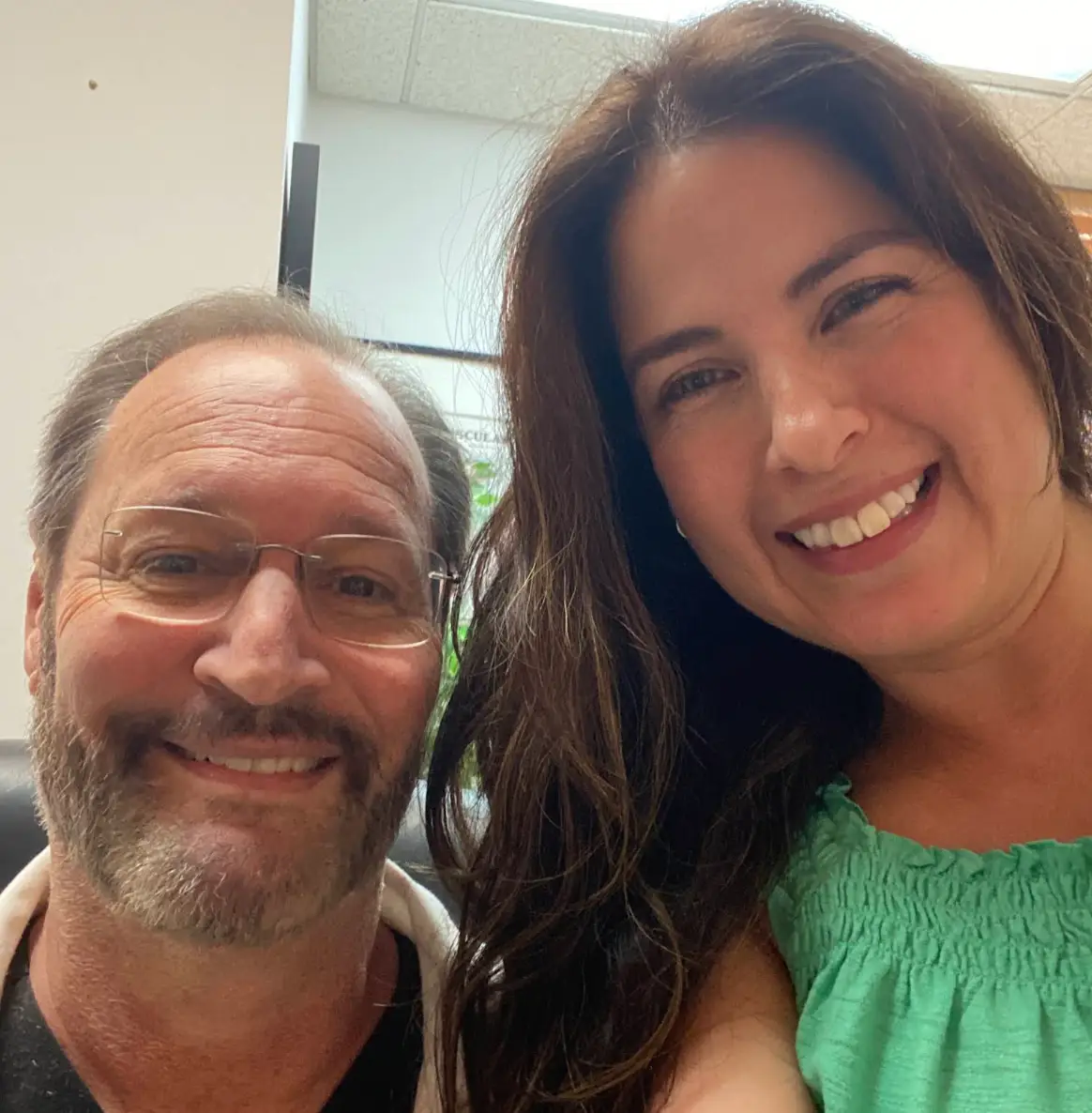
“Excellent service and care. They really took the time to evaluate my auto injuries and map out a plan. Highly recommend!”
How I evaluate car accident injuries
When you come in after a crash, I don't start treatment right away. I first want to understand exactly what happened, because the direction and force of the impact often tell me which tissues were most likely injured. A rear-end collision stresses the neck differently than a side impact.
Here's what a thorough accident evaluation involves and why each part matters:
- Your history and the mechanism of injury: how the crash happened, what you felt at the scene, and what's changed since. This shapes everything that follows.
- Orthopedic and neurological testing: specific tests that help me tell whether we're dealing with muscle and ligament injury, joint irritation, or nerve involvement.
- Range of motion and muscle testing: measuring how your neck and back move, and where they're guarded or restricted.
- Palpation: examining by hand for areas of spasm, tenderness, and misalignment that testing alone can miss.
- Digital X-rays when appropriate, and a referral for MRI or advanced imaging if I believe something deeper needs to be ruled out.
- Clear documentation of every finding: this protects your health and your claim (I'll come back to this).
If your examination suggests you'd be better served by another specialist (an orthopedist, a neurologist, a pain-management physician), I'll tell you honestly and help coordinate that care. My job is to find out what's actually wrong, not to fit every patient into the same treatment.
How I approach treatment
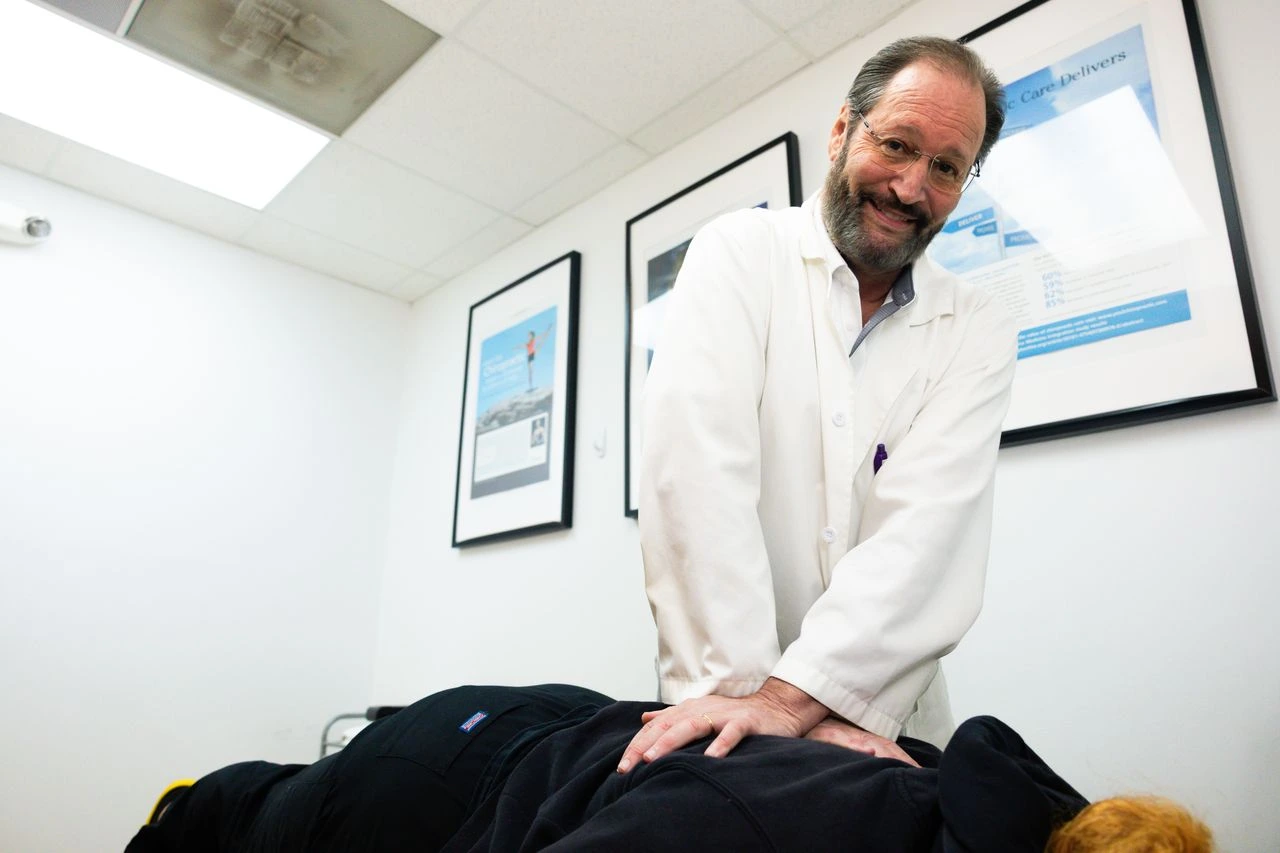
I don't believe every accident patient should get the same adjustment or the same plan. Two people can walk in with "neck pain" and need completely different care. Your plan is built from your examination findings, your symptoms, your imaging when it's needed, and how your body responds as we go.
My approach is conservative and non-surgical first. That usually means some combination of:
- Chiropractic adjustments and spinal manipulation to restore motion to restricted joints.
- Manual and soft-tissue therapy to address the injured muscles and ligaments that drive so much accident pain.
- Therapeutic exercise and rehabilitation to rebuild strength and stability so the injury doesn't keep returning.
- Supporting therapies such as spinal decompression, laser or shockwave therapy, and other modalities, chosen for your specific injury rather than applied to everyone. (Availability varies by office.)
I monitor your progress and adjust the plan as you improve. Recovery isn't a straight line, and part of my job is recognizing when to change course. If something isn't responding the way I'd expect, that tells me something, and we adapt.
The sooner an injury is identified, the sooner the right plan can begin. If your symptoms are lingering, it's worth having them properly evaluated.
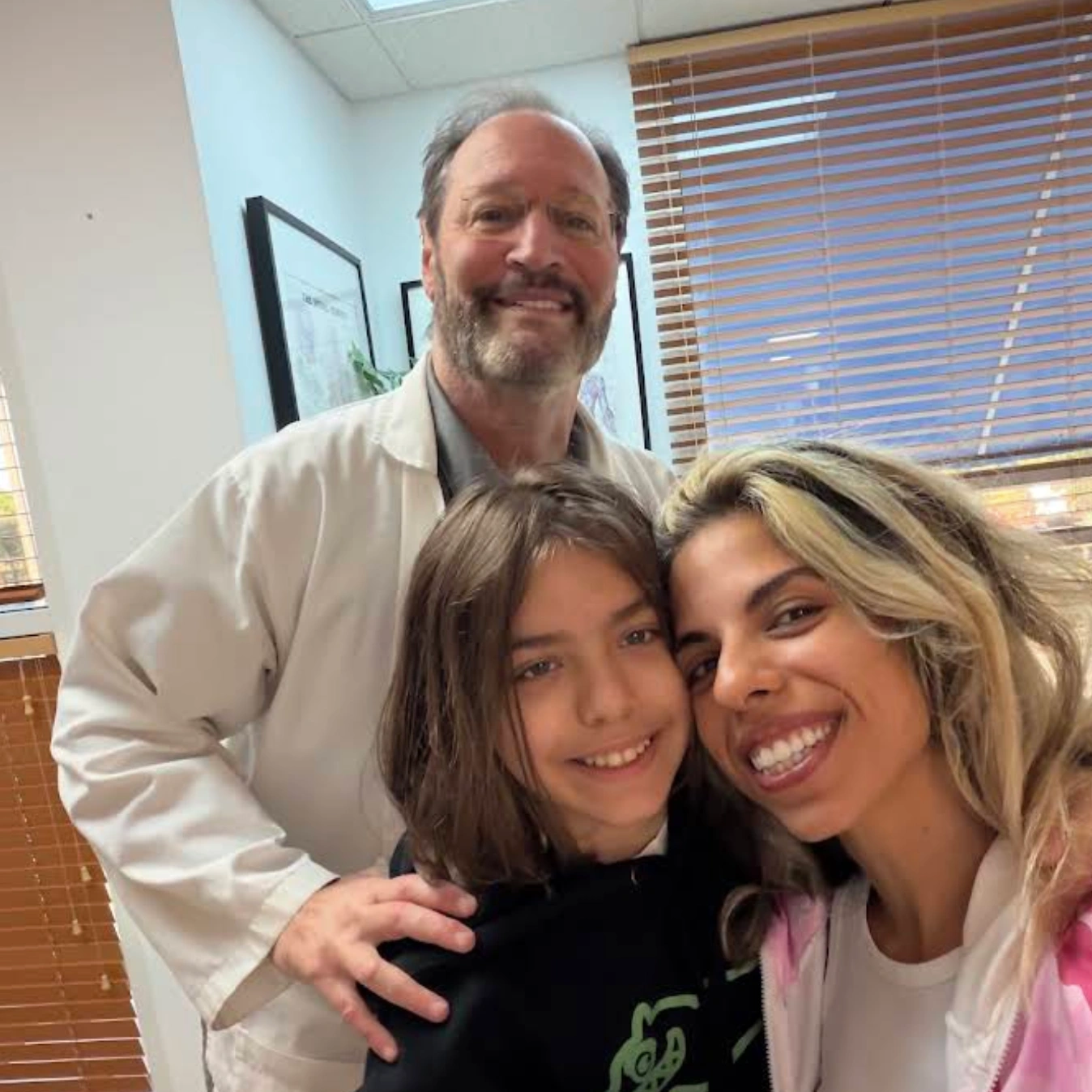
“The staff and doctors are incredibly professional. I was in a lot of pain after my crash, and the treatments made a massive difference.”
Why documentation matters more than most people realize
Here's something competitors' pages rarely explain. After a Florida car accident, the medical record isn't just about your care. It's the evidence that ties your injuries to the crash. If your records don't clearly connect the two, a PIP insurer can deny the claim on that basis alone.
From your first visit, we document your injuries, your examination findings, your diagnosis, and your progress over time. When you're working with an attorney, we coordinate and provide the records, progress notes, and evaluations they need. We handle direct billing to your auto insurer and assist with the paperwork so you're not fighting that battle while you're trying to heal.
Over the years, more than 100 Florida personal-injury attorneys have referred patients to us for exactly this reason: careful examinations and objective, thorough documentation. Whether or not you end up needing a lawyer, that same standard of documentation protects you.
A related point worth knowing: Florida's negligence statute of limitations (§95.11) for most injury claims is now two years from the date of the accident (shortened from four in 2023 by HB 837). If you think you may have a claim, that's a good reason not to let things drift. We're not attorneys and don't give legal advice, but we'll make sure your medical documentation is solid from day one.
Meet the team caring for you
Dr. Gady Abramson, DC, PA, our founder. I earned my Doctor of Chiropractic from Life University in 1997 and have spent more than 22 years treating auto accident and personal-injury patients across South Florida. I built Back To Mind Injury Center around a simple belief: every patient deserves a plan based on their specific injuries, not a standard protocol. My focus is on finding the underlying cause of your pain and treating it as safely and efficiently as possible. (I see patients in English and Hebrew.)
Back To Mind Injury Center is a group of eight licensed chiropractors practicing across nine offices in South and Central Florida, so the depth of experience on our team is considerable. As one example, Dr. David Ledwitz brings more than 30 years of experience with auto and sports injuries, disc herniations, and hands-on techniques like Cox flexion-distraction, Active Release, and Graston. Doctors may practice at different locations, but the standard of care (thorough evaluation, individualized treatment, and honest communication) is the same at every office.
Why injured Floridians choose Back To Mind Injury Center
- 22+ years focused on auto accident and personal-injury recovery.
- More than 36,000 patients treated across the group.
- 1,100+ Google reviews and a BBB A+ rating.
- Nine offices from Orlando to Miami, so there's usually one near you.
- Trusted by 100+ Florida personal-injury attorneys for injury evaluations and documentation.
- We coordinate with primary-care physicians, orthopedists, pain-management specialists, and imaging centers when your recovery calls for it.
None of this means we can promise a particular outcome. No honest provider can. Every injury and every body is different. What we can promise is a careful evaluation, a plan built around you, and a team that explains every finding along the way.
“Highly recommend this clinic. They handled all my insurance paperwork and were completely transparent about my recovery process from day one.”
What recovery actually looks like
I try to set realistic expectations from the start, because false promises help no one. Some patients feel meaningful relief early; others need more time, especially with disc involvement or more significant soft-tissue injury. Healing is gradual, and it isn't perfectly linear. There are good days and slower days along the way.
What I can tell you is that we monitor your progress closely, we adjust the plan as your body responds, and we're honest with you about what we're seeing. Recovering from a car accident is a process, and having someone track it carefully makes a real difference.
“From the free transportation to the attentive exams, everything was perfect. Very grateful for their help during my recovery.”
Frequently asked questions
Should I see a chiropractor if I feel fine after the accident?+
Yes, an evaluation is still worthwhile. Many accident injuries, especially whiplash and soft-tissue strains, don't cause symptoms until a day or two later, once inflammation sets in. An early exam can identify problems before they worsen and preserves your PIP eligibility under Florida's 14-day rule.
Can pain that started days after my crash still be related to it?+
Very often, yes. Delayed-onset pain is one of the most common patterns I see. Adrenaline masks pain at the scene, and inflammation builds over the following hours and days. Pain that begins the next morning is frequently connected to the accident.
Do I need a referral or an attorney before I can be treated?+
No. You don't need a referral to see us, and you don't need to have hired an attorney. Many patients come to us first and involve a lawyer later, if at all. If you are working with an attorney, we coordinate documentation with them.
Will my insurance cover it? What is Florida PIP?+
Florida's no-fault law requires most drivers to carry Personal Injury Protection, which covers up to 80% of reasonable medical expenses (up to the policy limit) regardless of fault, as long as you begin care within 14 days. We bill your auto insurer directly and verify your benefits for you. For eligible PIP patients, that often means $0 out-of-pocket.
Can chiropractic help if the ER said nothing was broken?+
Yes. Emergency rooms are excellent at ruling out fractures and life-threatening injuries, but they aren't set up to evaluate and treat the soft-tissue and joint injuries that cause most ongoing accident pain. Many patients see us after an ER visit specifically for that reason.
What should I bring to my first visit?+
Your ID, your auto insurance information, the crash or police report if you have it, and your attorney's contact information if you have one. If you don't have all of it, come anyway. We'll help you sort out the rest. And if getting to us is a problem, we offer free door-to-door transportation.
How soon after the accident should I come in?+
As soon as you reasonably can. Sooner is better for both your recovery and your documentation, and Florida's 14-day rule makes early care especially important.
About the Author
I'm Dr. Gady Abramson, and I founded Back To Mind Injury Center.
Don't wait to have your injuries evaluated
If you've been in a car accident anywhere in Florida, my honest advice is not to brush off symptoms just because they feel manageable today. A thorough examination can often catch an injury before it becomes a long-term problem, and in Florida, getting checked promptly also protects the insurance benefits you've been paying for.
Our team is here to answer your questions, explain every finding, and help you understand your options. We accept Florida PIP, bill your auto insurer directly, offer complimentary injury evaluations, and provide free transportation to your appointment. Same-day and emergency appointments are usually available.
Back To Mind Injury Center, offices across South & Central Florida:
Get evaluated today
Tell us what happened. A care coordinator calls you back within 15 minutes during business hours.